
From Albumen to Algorithms: De-Colonising Thomson Through AI-Generated Photographic Materiality
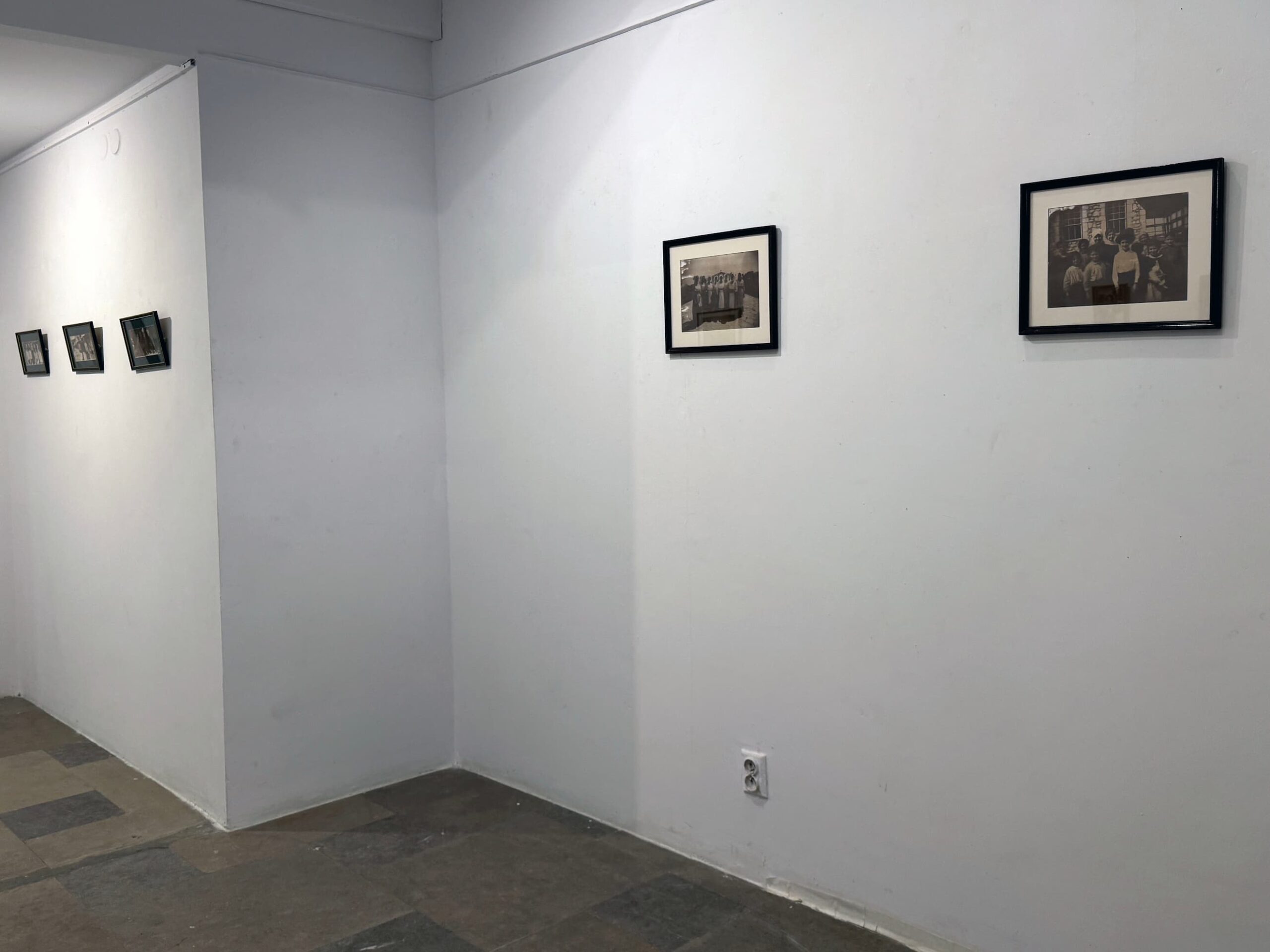
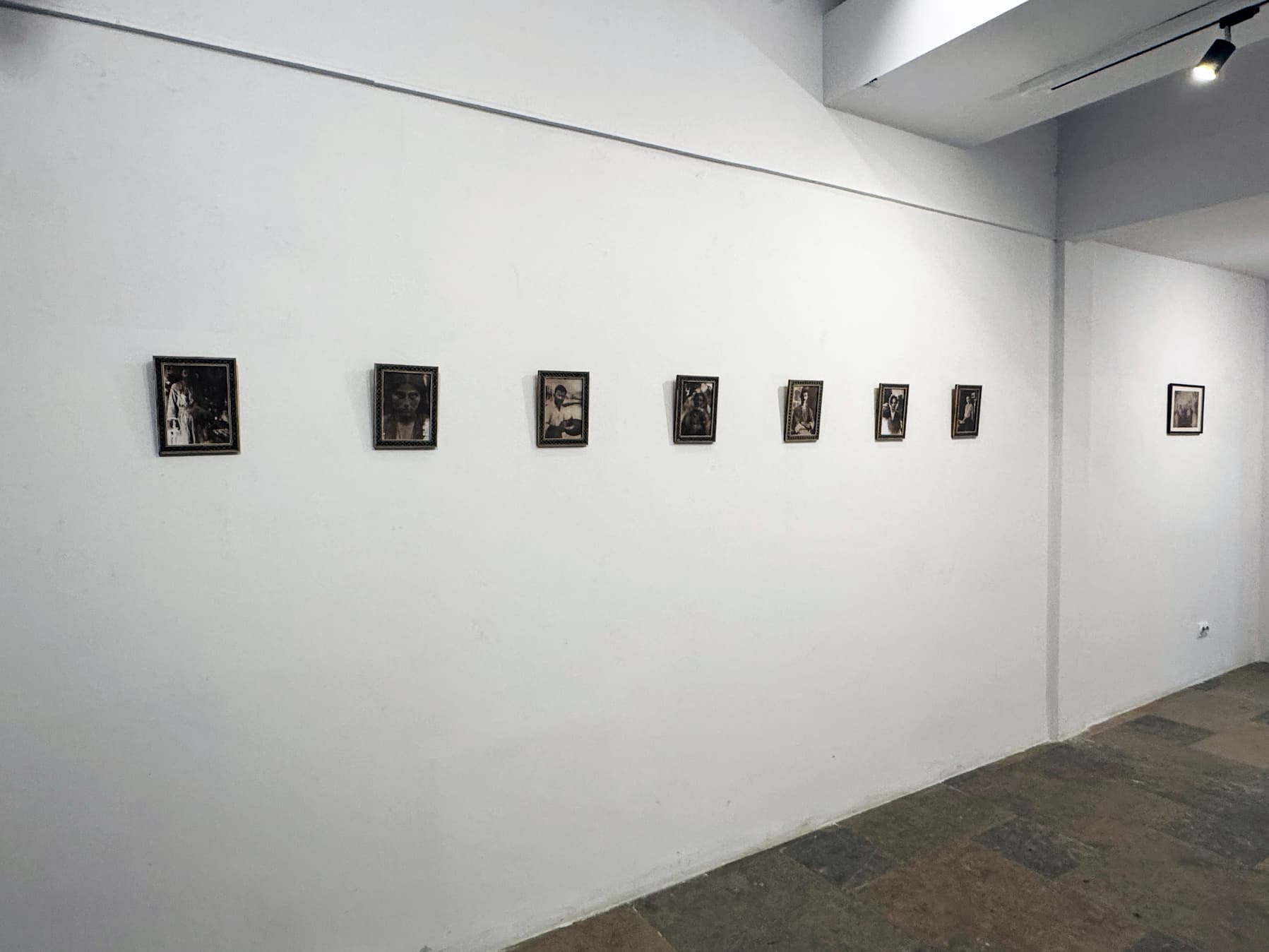
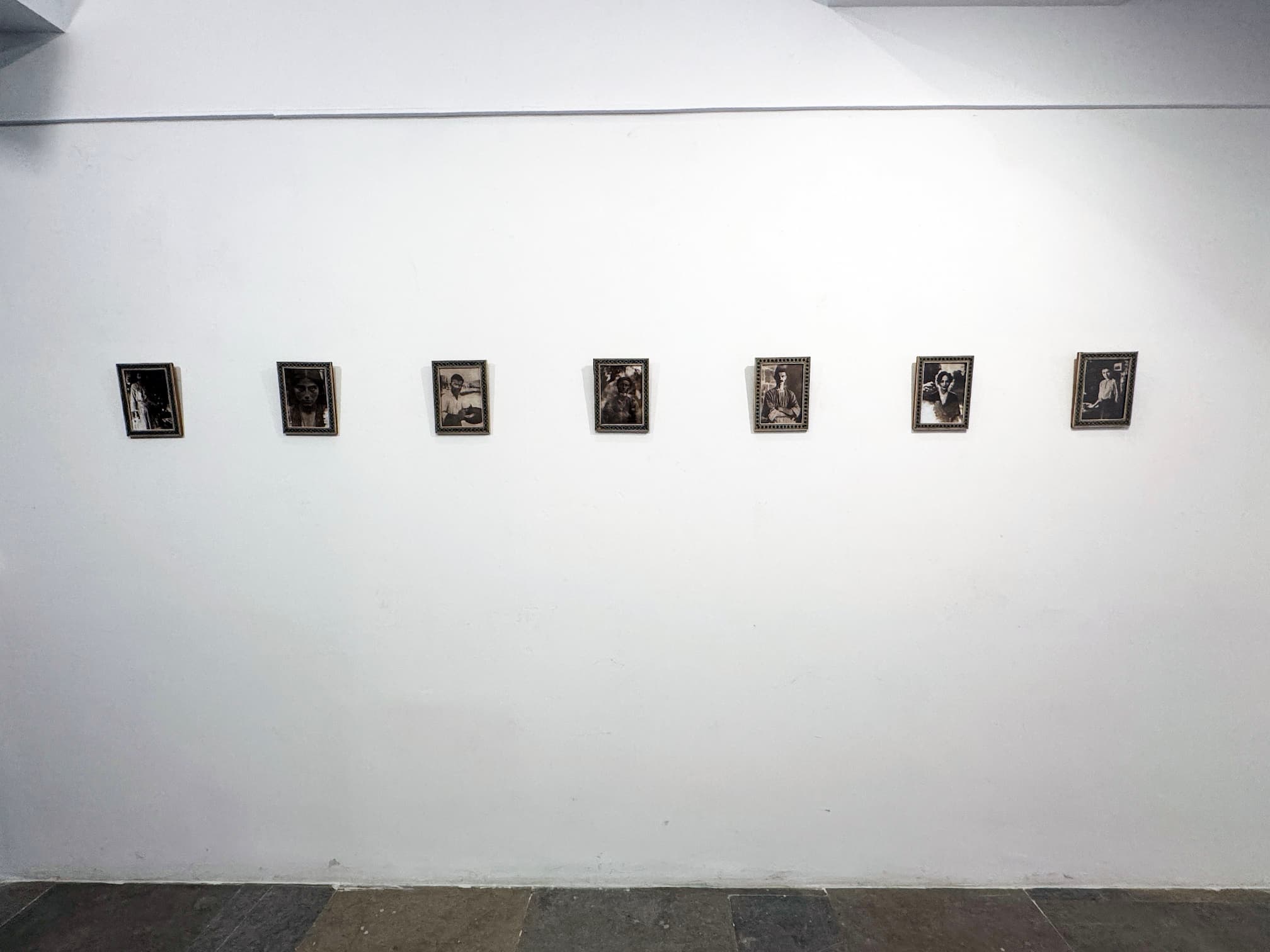
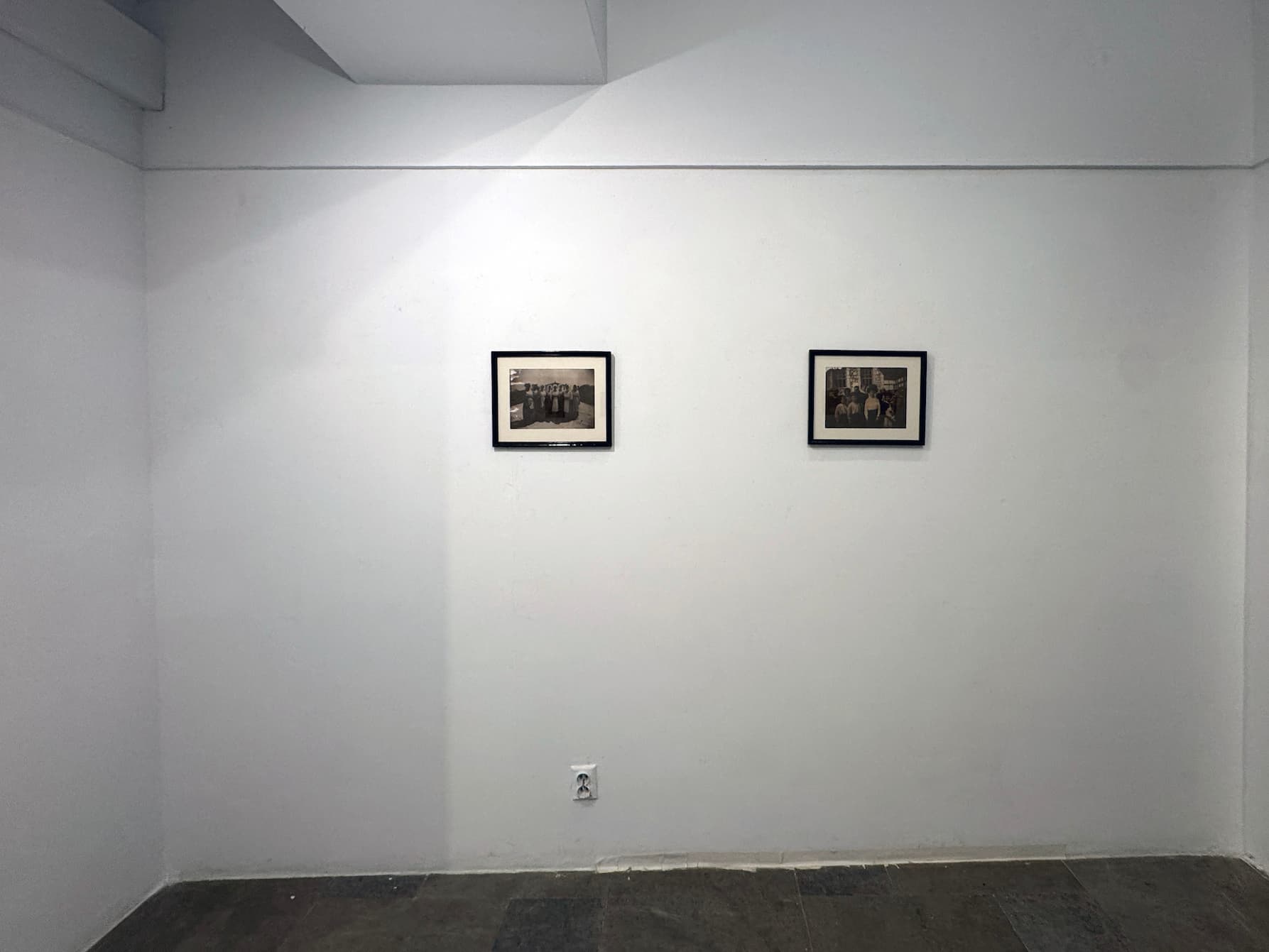
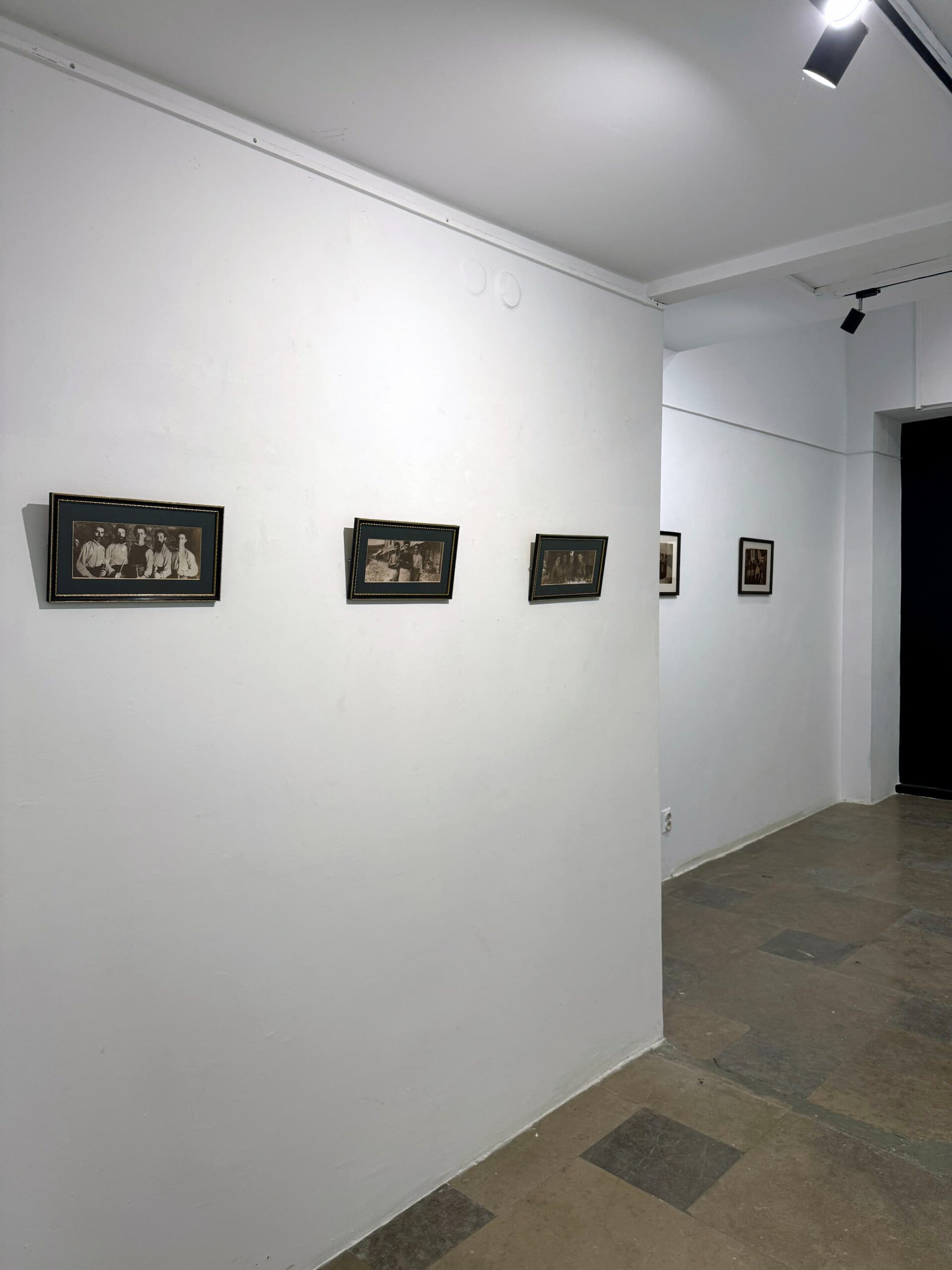
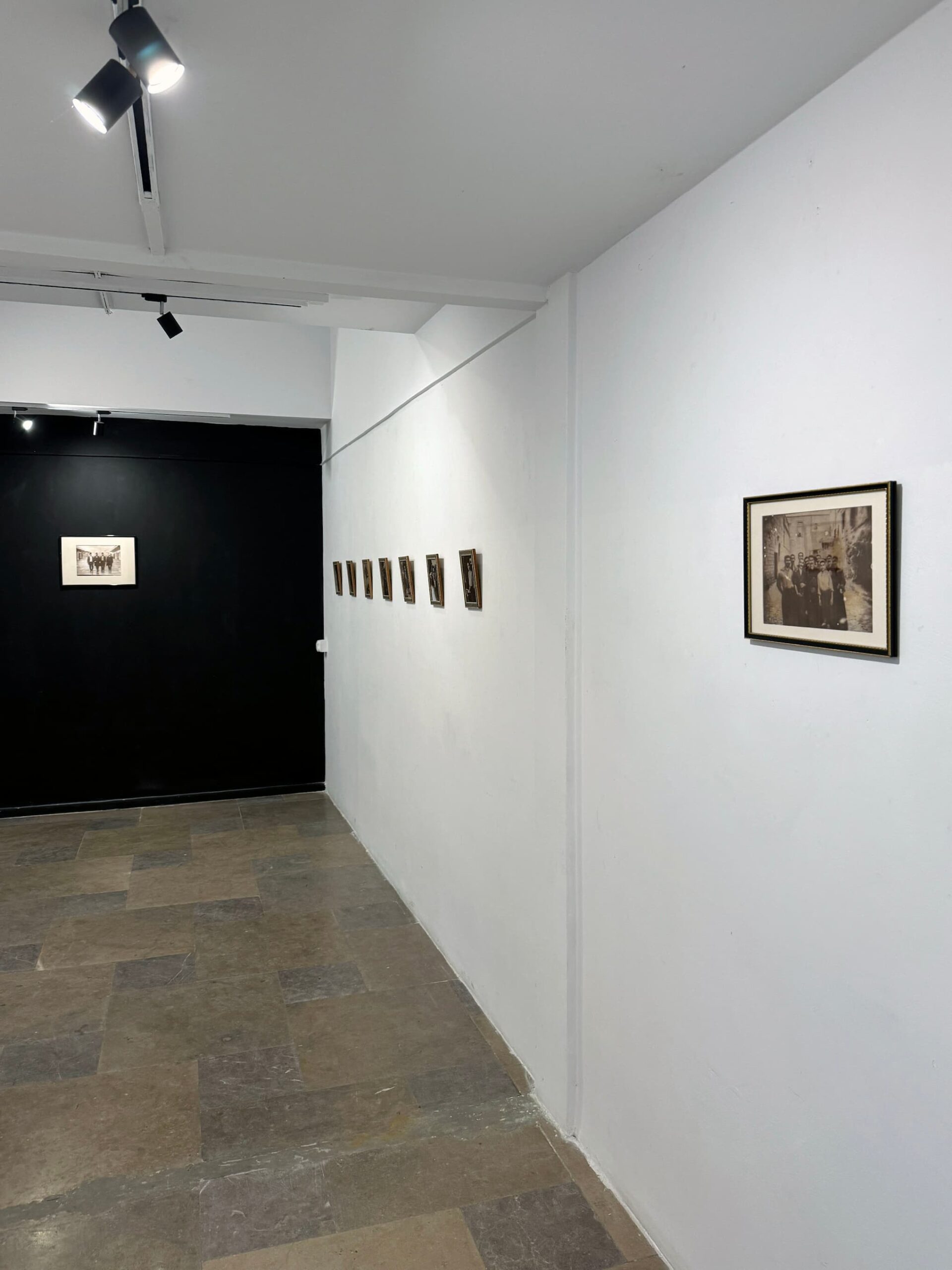
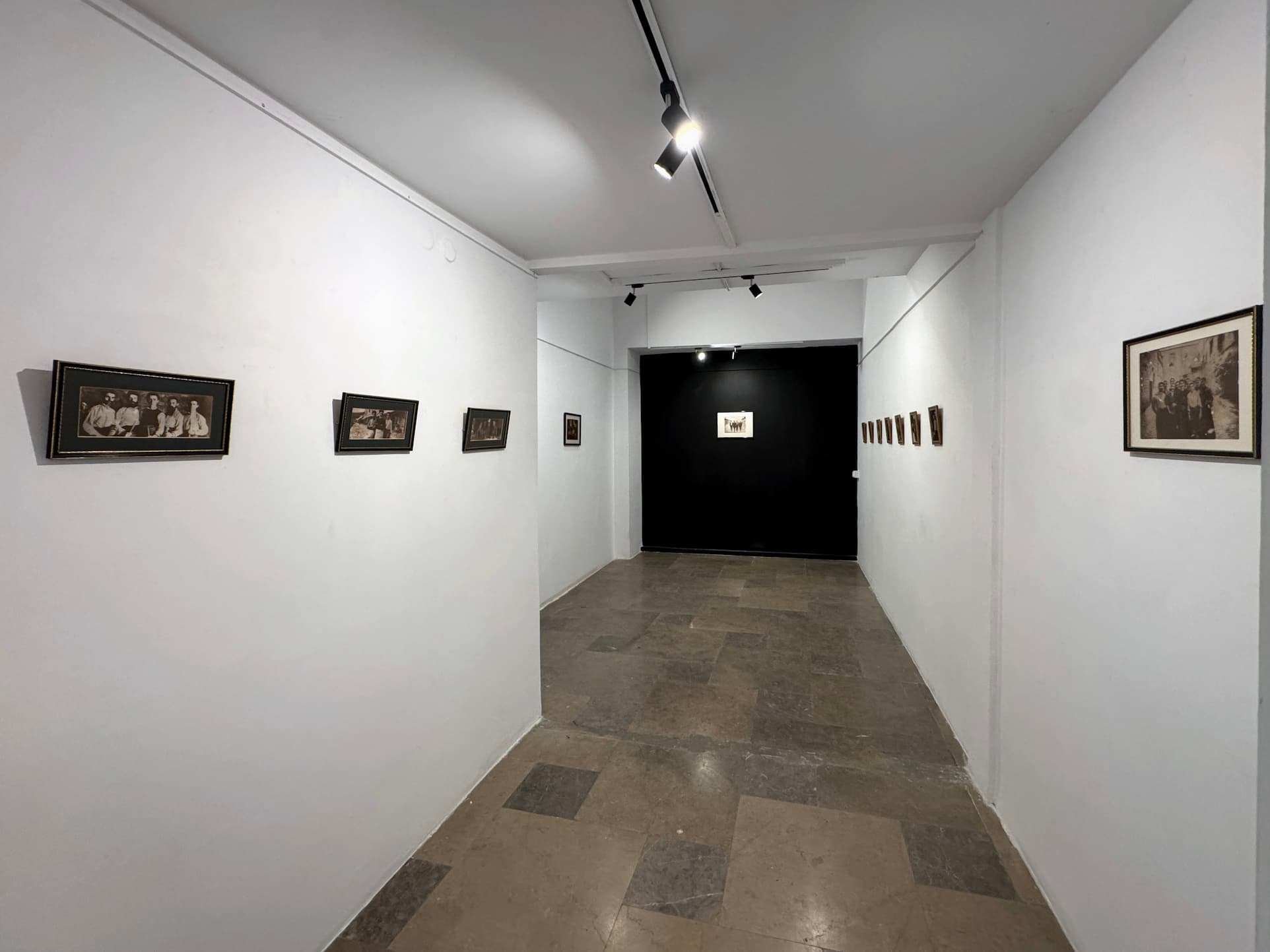
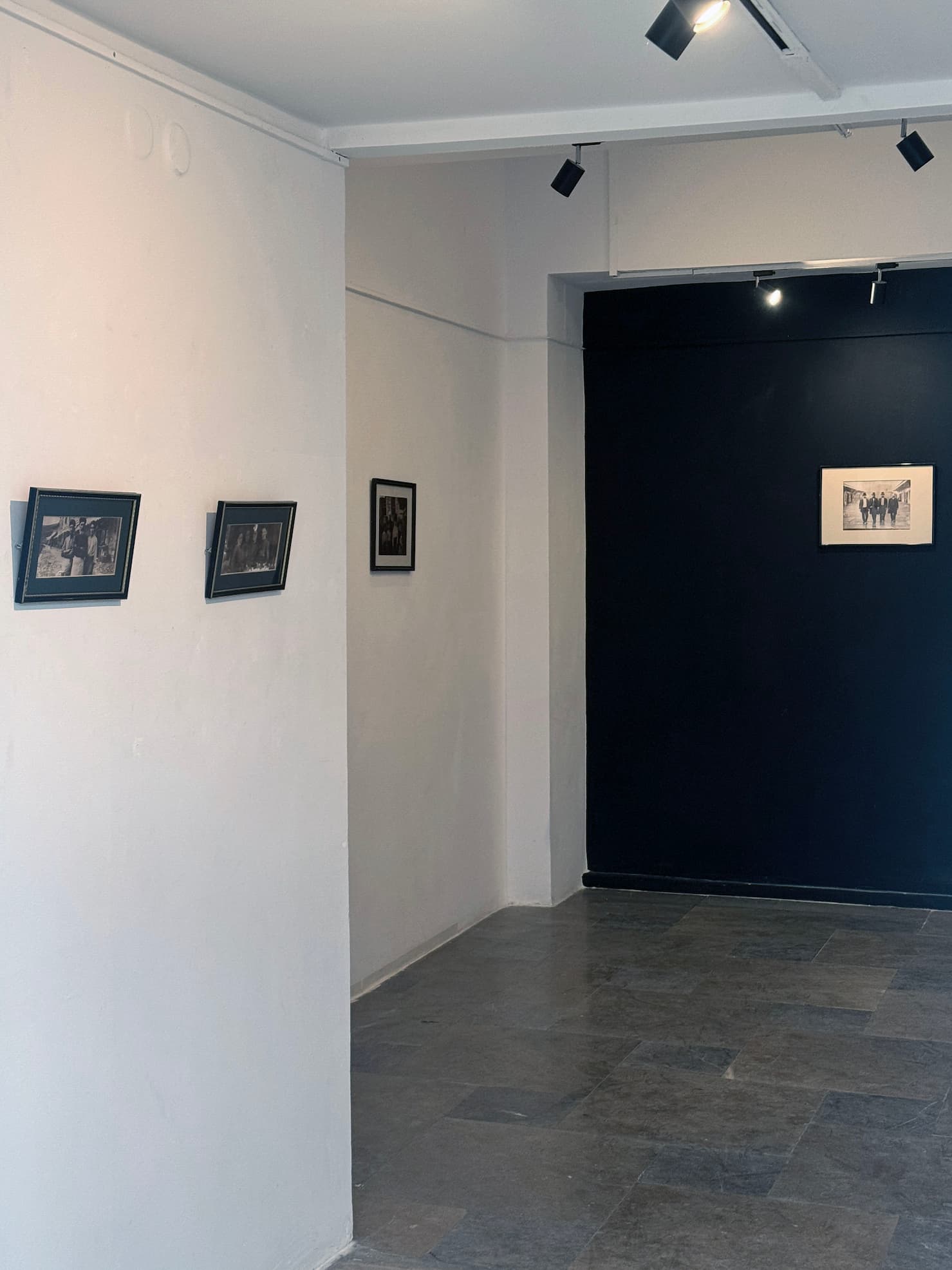
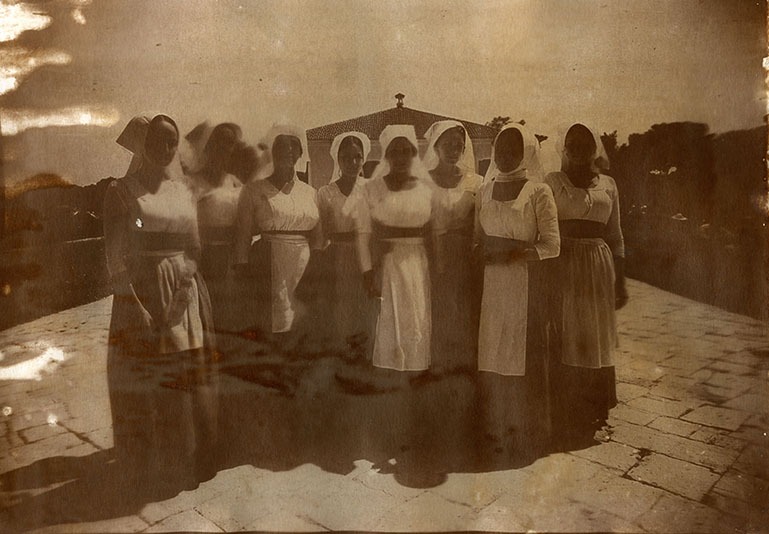
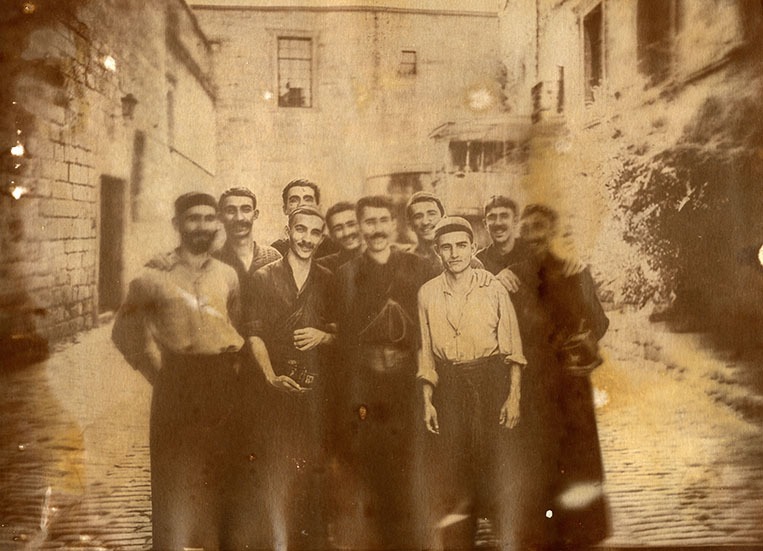
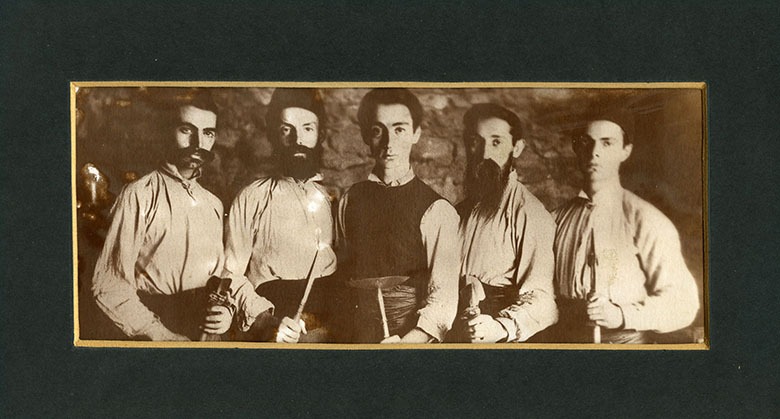
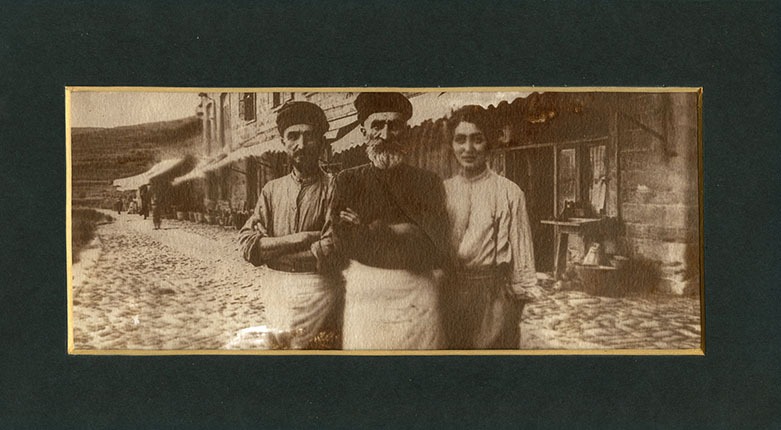
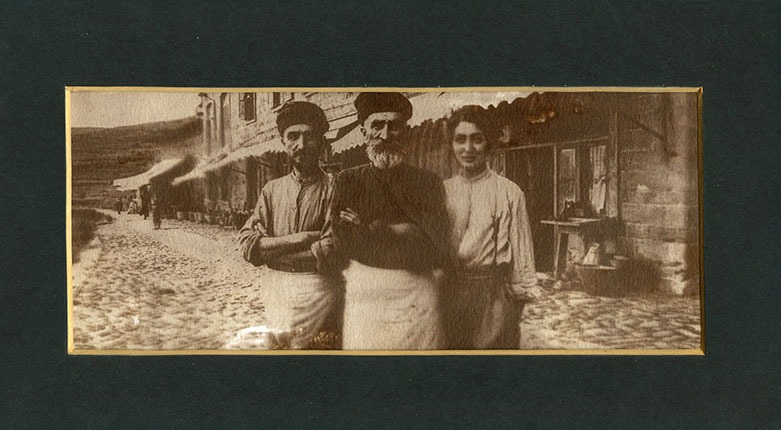
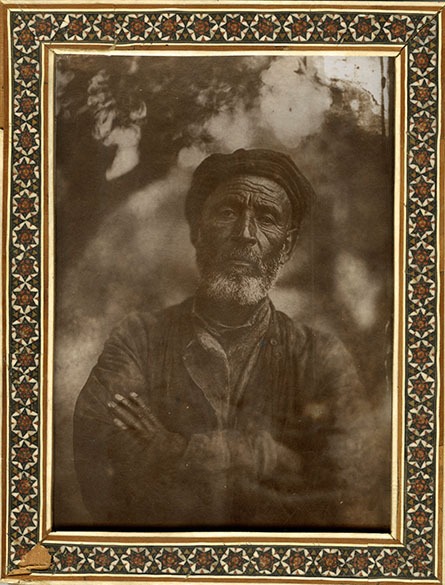
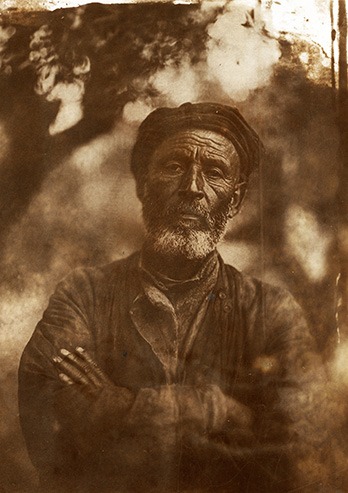
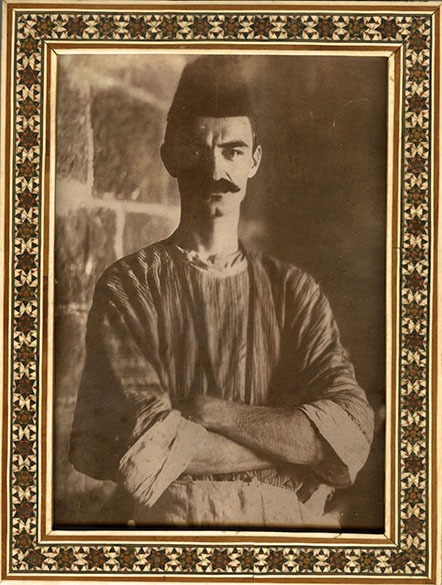
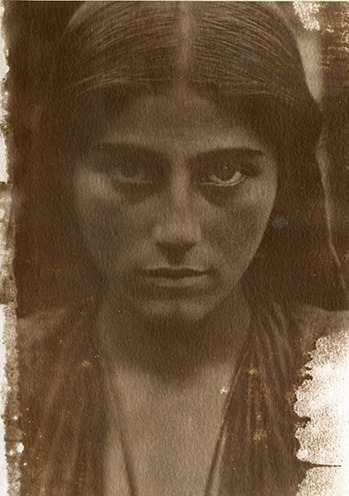
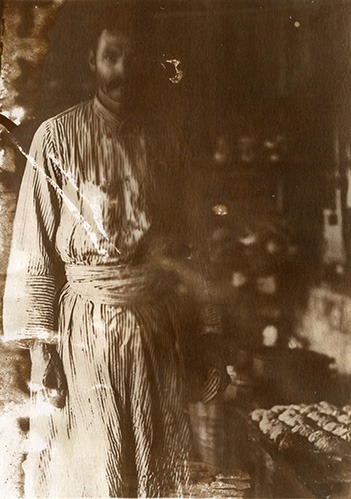
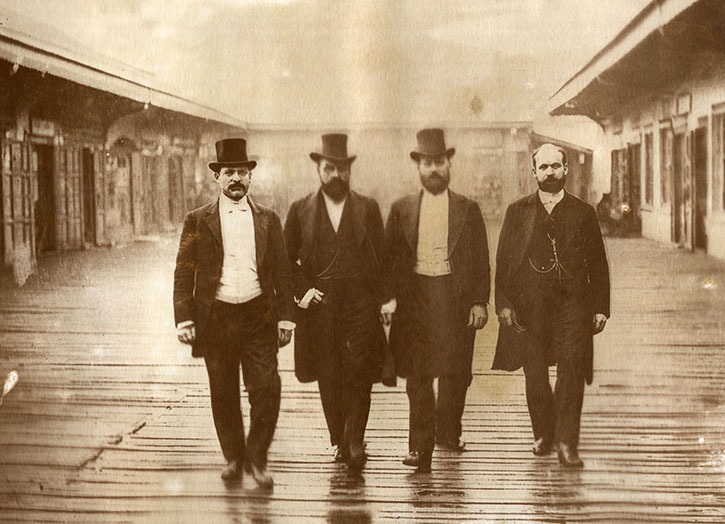
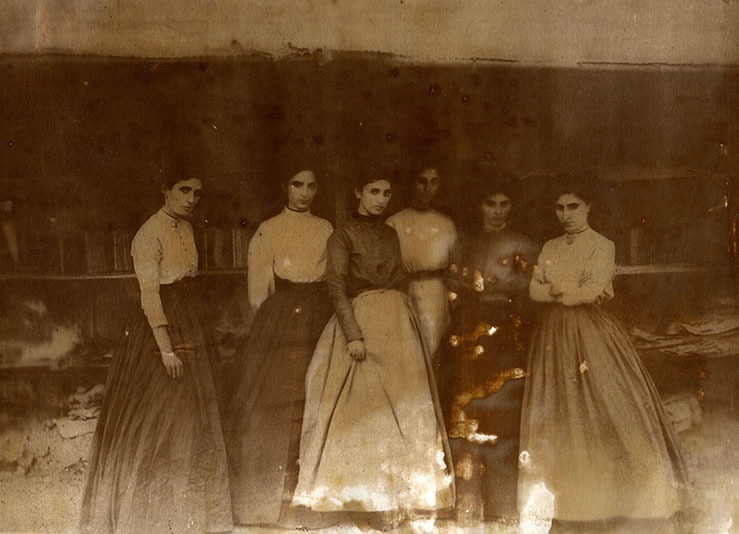
From Albumen to Algorithms re-imagines John Thomson’s 1878 photographic expedition to Cyprus by bringing nineteenth-century material processes into direct dialogue with twenty-first-century generative AI. Rather than reproducing Thomson’s images or emulating his colonial gaze, the project constructs a speculative counter-archive. AI-generated landscapes are transformed into digital negatives and printed as albumen prints—the same process Thomson used—creating historically “authentic” objects that refuse the epistemologies that once gave colonial photography its authority.
By printing synthetic images in a material form associated with imperial documentation, the work renders visible the ideological operations that once naturalised the camera as an objective eye. The albumen print, chemically indexical and rooted in early photographic labour, here becomes a site of anachronism: a historical surface that holds an image with no referent. This tension exposes how photographic truth has always been constructed and how colonial visuality relied on aesthetic coherence rather than factual transparency.
Generative AI is used not to recreate the past but to unlearn it. The machine synthesises “impossible” Cypriot landscapes—images freed from the compositional conventions and Orientalist typologies embedded in Thomson’s archive. These speculative formations create a critical distance that enables viewers to reconsider the epistemic foundations of historical photography and the visual structures through which Cyprus has been imagined, catalogued, and consumed.
The project unfolds as a form of material media archaeology and decolonial speculation. It asks what happens when an imperial technology is repurposed for critical ends—and how synthetic imagery printed through ancient chemical processes can destabilise our assumptions about authorship, authenticity, and historical memory. In doing so, it invites a re-seeing of Cyprus and a re-thinking of how images shape the afterlives of colonialism.